
HMRC Restarts Compulsory Debt Deductions – Does HMRC Have The Right To Access Bank Accounts?

As prices continue to soar across the UK and the cost of living keeps rising, an increasing number of people are facing unprecedented financial pressure.
According to official data, in April 2025 alone, 72% of UK residents reported that their living expenses had increased compared to the previous month, with 14% saying they had to rely more heavily on credit due to the high cost of living.
As winter approaches, heating, electricity and food expenses are expected to climb even higher, potentially pushing more households into debt crises.
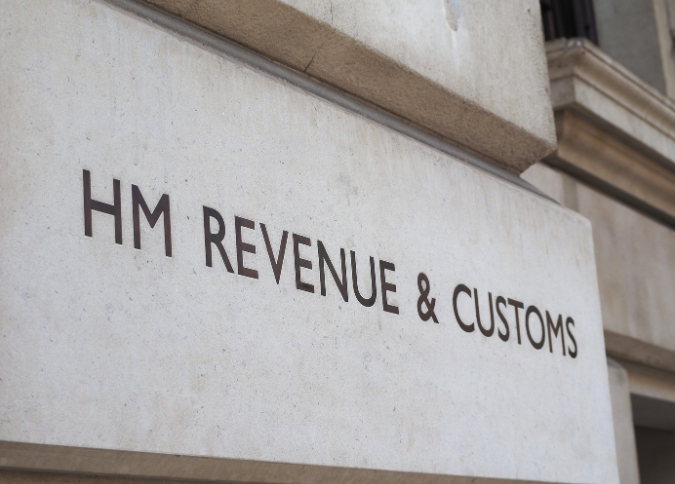
At the same time, HMRC has announced the restart of its Direct Recovery of Debts (DRD) scheme, which allows the tax authority to deduct unpaid taxes directly from individuals’ bank accounts.
Many people were alarmed by this news, and wondered:
Can HMRC really access our bank accounts?
Can they actually take money without prior notice?

HMRC restarts compulsory tax deductions
According to the Money Advice Trust, the cost of living in the UK has been rising for several consecutive months.
By spring 2025, nearly seven million people were behind on at least one bill. Low-income households are especially vulnerable to ‘problem debt’, while many higher-income individuals are burdened with large mortgage debts.
HMRC’s reinstatement of the Direct Recovery of Debts (DRD) scheme is designed to tackle the growing issue of unpaid taxes.
To ensure fairness and avoid excessive impact, the system includes several safeguards:
It only applies to confirmed debts that are past the appeal deadline and where the debtor has repeatedly ignored HMRC’s attempts to make contact.
It only applies to debts exceeding £1,000.
Debtors who dispute the amount still have the right to appeal.
HMRC must leave at least £5,000 in the account to cover essential living or business expenses such as wages, mortgages and basic needs.
In addition, HMRC has stated that it will first try to contact debtors to discuss a Time to Pay arrangement. Deductions from accounts will only occur if repeated contact attempts fail.
Can HMRC access bank accounts?
Many people assume their bank accounts are entirely private, but legally, HMRC does have limited and conditional access rights.
Under Schedule 36 of the Finance Act 2008, HMRC may investigate tax returns and request information from banks or other data holders if there is ‘reasonable cause’.
Later, the Finance Act 2021 granted HMRC the authority to issue Financial Institution Notices (FINs), compelling banks to provide account data and transaction records to verify a taxpayer’s position or recover unpaid taxes.
Notably, HMRC does not need the taxpayer’s consent or approval from an independent tribunal to issue a FIN.
However, several legal safeguards are in place to prevent abuse:
The requested information must be directly relevant to a tax investigation.
Each FIN must be authorised by a senior officer.
HMRC must show that complying with the notice would not place an excessive burden on the bank.
In most cases, HMRC must explain to the taxpayer why the information is being requested, unless a tribunal rules that advance notice could hinder tax collection.
In other words, HMRC cannot freely browse through your accounts.
However, if they suspect tax evasion, underreporting of income or unpaid taxes, they are legally entitled to access related information.

When might HMRC check a bank account?
HMRC does not carry out random investigations. Most checks are triggered by specific signs or reports. Common triggers include:
Accounting discrepancies or irregularities: Figures in tax returns that don’t match accounting records, unusually high expenses or inconsistent profit margins.
Lifestyle and financial inconsistencies: A declared income that appears incompatible with one’s lifestyle, such as owning multiple luxury cars on a low income.
Inconsistent tax returns: Large year-to-year income fluctuations or personal expenses claimed as business costs.
Repeated late filings: Persistent late submissions can suggest non-compliance.
Third-party reports: Tips from financial institutions, government departments or even members of the public.
Serious criminal suspicion: Involvement in money laundering or terrorist financing may trigger joint investigations with law enforcement.
Voluntary disclosures: When taxpayers report underpaid taxes, HMRC may verify the accuracy of the disclosure.
Debt recovery actions: When unpaid taxes meet DRD criteria, HMRC may deduct the owed amount directly from the bank account.
Some advice from TB Accountants
In the UK, tax oversight is becoming increasingly digital and data-driven.
HMRC can now cross-check information across departments and match it with bank systems in real time. This means every account and transaction could potentially become part of their compliance review.
In most cases, HMRC will first send letters or emails alerting you to outstanding tax debts and attempt to resolve them through communication.
However, if HMRC suspects tax evasion or fraud, it does have the authority to access accounts without prior notice, mainly to prevent the transfer or destruction of assets, though such cases are relatively rare.
If you’re concerned about becoming a target of HMRC scrutiny, you can reduce your risk by following sound financial practices:
Keep personal and business finances separate
For sole traders and freelancers, maintaining a dedicated business account is essential. Company funds should never be held in personal accounts.
Maintain complete financial records
Keep all receipts, invoices and accounting records, ensuring that data is accurate and consistent.
File taxes on time and truthfully
Avoid underreporting, exaggeration or omissions.
Seek professional advice
If your tax affairs are complex or you receive a notice from HMRC, consult an accountant or tax lawyer promptly.
Why TB Accountants?
Professional Assurance: Our team includes ACA members and ACCA-certified professionals, delivering services to the highest industry standards.
Responsive Service: We respond to your inquiries within 24 hours, ensuring efficient communication across time zones.
Multilingual Support: Services available in English, Mandarin, Cantonese, Japanese, French, German, Spanish, Italian, Turkish, and more.
Trusted by Clients Worldwide: Consistently praised by global clients for proactive, professional, and reliable accounting and tax support.

For individuals and businesses looking for UK taxation services, use our contact form to get in touch for more information.
Get in touch with us at info@tbagroup.uk or for a free one-to-one consultation.


