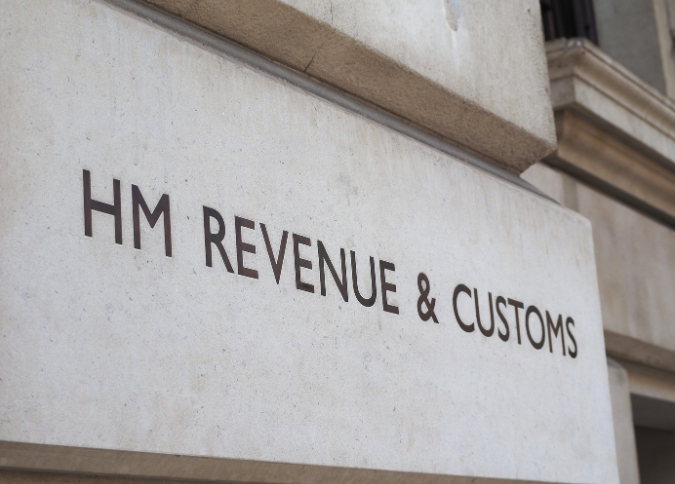
What to Do If You Receive an HMRC Tax Audit Letter – Three Common VAT Mistakes

Previously, we shared some ‘red flags' that would likely to trigger an HMRC tax investigation for both businesses and individual taxpayers.
However, with the rapid global expansion of e-commerce, HMRC is also increasing its scrutiny of cross-border e-commerce sellers.
For e-commerce sellers, HMRC's audit actions can be particular random, particularly regarding VAT audits. Sometimes, due to misunderstandings or unintentional oversight, you might face an audit even if you have declared on time.
In other instances, a genuine mistake might have occurred which could have been rectified immediately, but failure to reply to letters within the stipulated time led to HMRC directly notifying the platform to close the shop.
In these situations, what exactly should you do?

HMRC's growing attention on e-commerce
In recent years, HMRC has reached digital data-sharing agreements with e-commerce platforms such as Amazon, eBay, and Etsy to improve regulatory oversight.
These platforms now automatically report sellers' sales and income data to HMRC, enabling HMRC to compare this directly with your VAT returns and company accounts. If the declared income does not match what HMRC sees from the platform data, your account may be flagged for review.
Here are the three of the common VAT-related mistakes made by businesses:
Declaring net income as total sales
Many sellers mistakenly record the amount deposited into their business bank account as total sales.
In reality, this figure has already had platform fees and refunds deducted, meaning total sales and VAT payable are under-reported.
This leads to a mismatch when HMRC cross-checks declared income.
Incorrect VAT rate classification
Another common issue is applying the wrong VAT rate across a product range.
Sellers often default to the standard 20% rate, whereas some products are actually zero-rated or outside the scope of tax (such as exports).
Therefore, if you have expanded into new markets or platforms, ensure that you regularly check your product VAT classification.
Failure to review VAT exposure during expansion
Do not get carried away by the rapid growth of your business – moving stock into EU fulfilment centres or exceeding distance selling thresholds can trigger new VAT obligations.
Failure to plan ahead may result in late registration or penalties. Before expanding into new markets, check whether you need to file local VAT returns in the corresponding countries, or register for other schemes such as EU OSS.
Here, we have prepared two typical cases handled by TBA to share with you.
Case 1: VAT Flat Rate Scheme
Client A received a letter from HMRC on 11 January 2024, informing him that because his turnover exceeded the threshold for the VAT Flat Rate Scheme, he had been removed from the scheme.
Client A was required to pay tax at the standard rate of 20%, demanding a tax payment of £37,810 and a penalty of £5,105.47. In total, he was required to pay £42,915.47!
After understanding the specific situation, we carefully analysed the problems encountered by Client A and found a solution. We then proceeded to contact HMRC and provided the necessary supporting materials.
By 15 February, the UK tax authorities finally determined that Mr A had not violated tax regulations. We successfully secured a result where Client A only needed to pay £86 in tax, avoiding the £42,829.47 penalty!
Case 2: Amazon seller account issues
Client B stated that they had received an email from HMRC indicating that because they had not replied to the tax office's audit letter in time, their VAT number had been automatically deregistered.
Consequently, their Amazon store was suspended and could no longer operate normally.
After understanding the sequence of events and historical email correspondence, we began organising the relevant information and actively communicating with HMRC.
It took us only 10 working days to successfully reactivate the VAT number, allowing Client B's Amazon shop to resume normal operations.

What should you do if you are audited by HMRC?
As mentioned earlier, HMRC audits are random. Sometimes, you may encounter a tax audit even if you have done everything correctly.
Sellers who receive an audit letter should not panic. Generally, UK audits fall into two categories, and the countermeasures will differ:
Store not blocked
If you reply to the notice in time and address any auditing issues, your store can continue to operate.
Ensure that you communicate with HMRC actively, submit relevant materials, and ensure full tax compliance.
Store blocked
If you fail to reply to the notice in time and your store is blocked, the seller must first complete the audit process normally. Sales can only be restarted after the store has been unblocked.
If you do encounter a tax audit but cannot handle it yourself, entrusting a professional accounting firm is a more efficient choice.
TB Accountants provides one-stop tax audit and compliance service to ensure your finances are transparent and legal, whilst protecting your interests.
Our tax advisors will help you effectively reduce unnecessary financial losses, optimize communication processes, and significantly shorten the review time. Regarding any penalties and late fees issued by the tax office, we can negotiate with HMRC to achieve reductions or exemptions.
At the same time, we can also negotiate payment methods and attempt to apply for payment by instalments.
Some advice from TB Accountants
Regardless of the situation, maintaining good declaration records can reduce the probability of being audited to a certain extent, and can also avoid subsequent issues such as back taxes and fines arising from investigations.
At the same time, you must reply to any notices sent by HMRC in a timely manner. To prevent important emails from being deleted by mistake, it is recommended to check the recycle bin regularly.
The following points can help you with tax risk prevention and control:
Avoid tax registration risks: Register your UK VAT number in good time and declare in compliance with regulations. If the tax number is no longer in use, cancel it promptly.
Avoid non-compliant customs clearance risks: We recommend against using 'double customs clearance with tax included' services; use compliant customs clearance and keep receipts.
Avoid non-compliant invoicing: Issue correct VAT invoices and retain VAT records in case of HMRC checks.
Avoid retrospective tax liability risks: Pay taxes on time. Do not under-report or omit reports, as this will trigger retrospective action from the tax office, leading to penalties, late fees, and the risk of store closure.

Why TB Accountants?
Professional Assurance: Our team includes ACA members and ACCA-certified professionals, delivering services to the highest industry standards.
Responsive Service: We respond to your inquiries within 24 hours, ensuring efficient communication across time zones.
Multilingual Support: Services available in English, Mandarin, Cantonese, Japanese, French, German, Spanish, Italian, Turkish, and more.
Trusted by Clients Worldwide: Consistently praised by global clients for proactive, professional, and reliable accounting and tax support.

For individuals and businesses looking for UK taxation services, use our contact form to get in touch for more information.
Get in touch with us at info@tbagroup.uk or for a free one-to-one consultation.